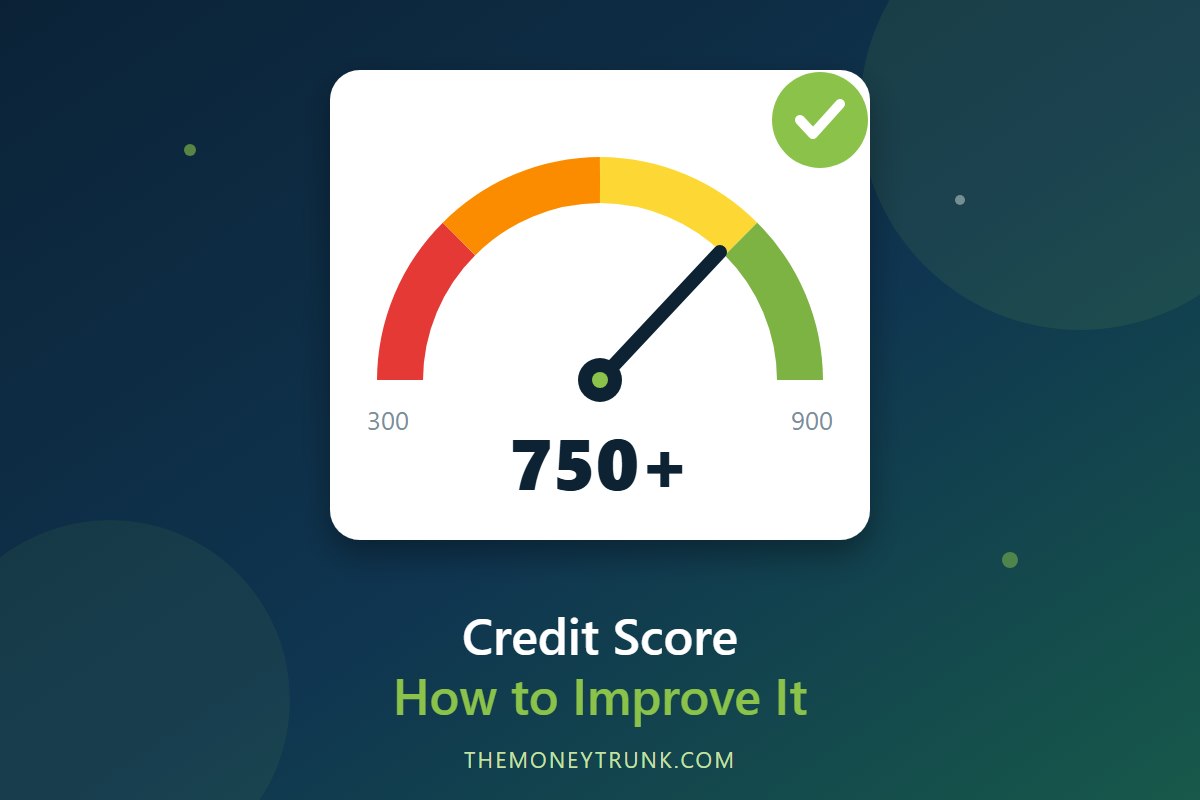
What Is a Credit Score and How Can You Improve It?
Whenever you apply for a credit card or a loan, the bank first looks at one number: your credit score. A good score can mean faster approval, a higher limit and better offers. A low score can mean a rejection, even if your income is good. The good news is that your score is not fixed - you can improve it with a few steady habits.
What is a credit score?
A credit score is a three-digit number, usually between 300 and 900, that shows how you have handled credit in the past. Credit bureaus such as CIBIL, Experian, Equifax and CRIF High Mark calculate it from the information banks and lenders send them every month - your loans, credit cards, payments and enquiries.
In general, the higher the score, the lower the risk you look to a lender. Many banks prefer a score of 750 or above for credit cards and personal loans, although every bank has its own rules.
What affects your credit score?
- Payment history: paying EMIs and card bills on time is the biggest factor. Even one missed payment can pull the score down.
- How much of your limit you use: using a large part of your credit card limit every month (high "credit utilisation") can lower your score.
- Length of credit history: older accounts with a clean record help. Closing your oldest card can shorten your history.
- Mix of credit: a healthy mix of secured loans (home, car) and unsecured credit (cards, personal loans) is seen as positive.
- New applications: many loan or card applications in a short time create "hard enquiries" and can make you look credit-hungry.
7 simple ways to improve your score
- Never miss a due date. Set up auto-pay or reminders for every EMI and card bill.
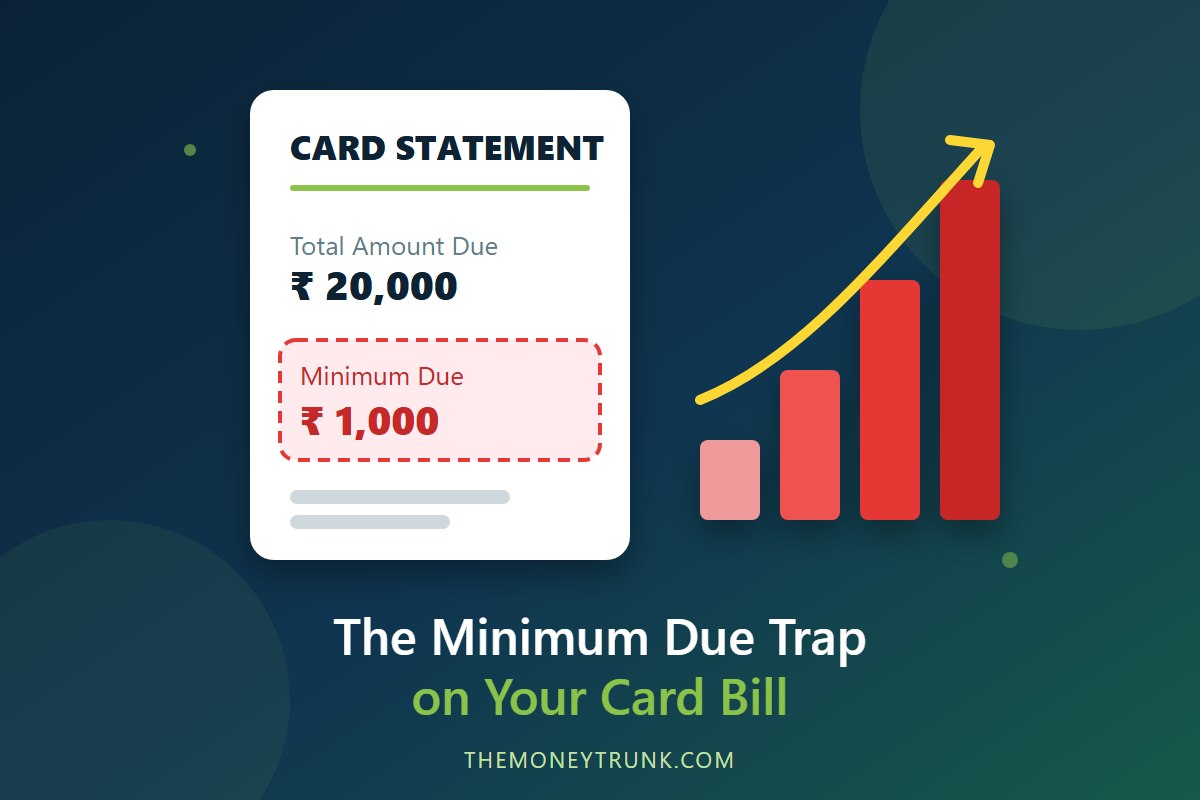
- Pay the full card bill, not just the minimum due. Paying only the minimum keeps a balance running and adds interest.
- Keep card usage low. A common rule of thumb is to use less than about 30% of your total card limit.
- Do not apply for many cards or loans at once. Space out your applications.
- Keep old cards open if they have no or low annual fee - they add to your credit history.
- Check your credit report regularly. Mistakes such as a loan you never took or a closed account still showing as open can hurt your score. Raise a dispute with the bureau if you find one.
- Settle old dues properly. A loan marked "settled" instead of "closed" can stay as a negative mark. Where possible, pay in full and get a closure letter.
How long does it take to improve?
There is no shortcut. Lenders report to bureaus every month, so good habits start to show within a few months, and a strong score is built over time. Be wary of anyone who promises to "fix" your score overnight for a fee.
Check your score for free
You can check your credit score free on TheMoneyTrunk. Share your name and mobile number in the Free Credit Score form on our home page, and our team will help you understand where you stand and which cards or loans suit your profile.
Note: Scoring models and bank approval rules are decided by the credit bureaus and lenders and can change. This article is for general information only.

 Home
 EMI
 Cards
 Loan
 Insurance
 Support