7 Things to Check Before Taking a Personal Loan
A personal loan can help with a wedding, a medical bill, home repairs or paying off costly credit card dues. It is quick and needs no security. But the cheapest-looking offer is not always the cheapest loan. Check these seven points before you sign.
1. The interest rate - and whether it is fixed
Personal loan rates depend on your income, employer, credit score and the lender. Ask whether the rate is fixed (same for the whole tenure) or floating. Also make sure the rate quoted is on a reducing balance - a "flat rate" looks lower but actually costs more.
2. Processing fee and other charges
Most lenders charge a processing fee, usually a percentage of the loan amount, plus GST. It is often deducted from the loan before the money reaches your account. Ask about every charge upfront: processing fee, documentation charges, stamp duty and any insurance added to the loan.
3. The EMI you can comfortably pay
A longer tenure means a smaller EMI but more total interest. A shorter tenure means a bigger EMI but less interest. As a rough guide, try to keep all your EMIs together well within your monthly take-home pay, so you still have room for daily expenses and savings. Use an EMI calculator to try different amounts and tenures before you decide.
4. Prepayment and foreclosure charges
If you get a bonus later, you may want to pay part of the loan early or close it fully. Some lenders allow this only after a certain number of EMIs and charge a fee for it. Check the part-payment and foreclosure rules before you take the loan.
5. Late payment penalties
Know what happens if an EMI bounces - the penalty, the bounce charge and the impact on your credit score. Setting up auto-debit from a salary account with enough balance avoids most of these problems.
6. Your credit score
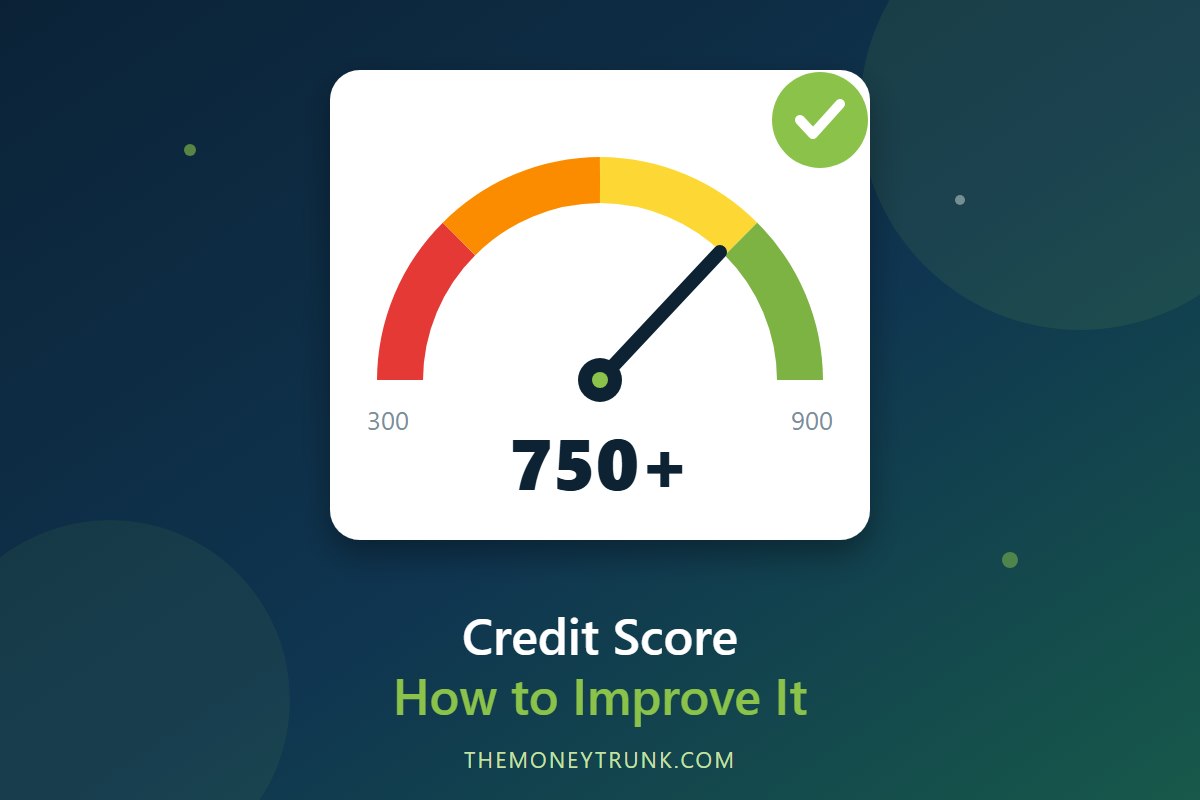
Your credit score affects both approval and the rate you are offered. Check it before you apply. If it is low, a few months of on-time payments and lower card usage can help you get a better offer.
7. Borrow only what you need
You may be eligible for a bigger amount, but a bigger loan means bigger EMIs and more interest. Work out the exact amount you need and borrow that. Also avoid applying with many lenders at the same time - multiple enquiries in a short period can lower your score.
Bonus tip: read the loan agreement
Before signing, read the Key Fact Statement and loan agreement. Check that the rate, fees, tenure and EMI match what you were told. Deal only with registered banks and NBFCs, and never pay any "approval fee" to an agent in cash.
Plan your loan with us
Use the free EMI Calculator on TheMoneyTrunk to plan your EMI, and fill the enquiry form to get help choosing a loan that suits your income.
Note: Interest rates, fees and eligibility are decided by each lender and can change. This article is for general information only.
 Home
 EMI
 Cards
 Loan
 Insurance
 Support